Dimensional Restoration
Rebuild worn or undersized working surfaces.
Precision surface engineering to repair, restore and enhance the performance of critical industrial components.
Job work500,000+ components delivered every month through DLT job work
Laser cladding uses a focused laser beam to create a controlled molten pool while metallic filler powder or filler wire is deposited to form a metallurgically bonded overlay. At Diamond Lasertech, the process supports restoration of worn or undersized components and development of application-specific surfaces.
Depending on material, geometry and parameters, laser cladding can offer localised heat input, controlled dilution and reduced distortion compared with many conventional weld-overlay methods.
Rebuild worn or undersized working surfaces.
Produce a bonded alloy layer with qualified parameters.
Manage dilution and distortion for the component geometry.
Develop overlays for suitable wear, corrosion or thermal demands.
A focused, low-dilution process that delivers metallurgically bonded, high-performance surfaces with low heat input and excellent dimensional control.
| Parameter | Laser cladding | TIG / MIG weld overlay | Thermal spraying (HVOF / plasma) |
|---|---|---|---|
| Bonding | Metallurgical (strong) | Metallurgical | Primarily mechanical (with coating adhesion) |
| Heat input | Localised and controllable (lower) | Generally higher | Lower substrate heating |
| Dilution | Very low (less than 2%) | Often higher (typically > 20%) | No weld dilution |
| Distortion | Often lower | Greater potential | Generally low |
| Coating thickness | Precise and controllable (≈ 0.2–10 mm, multi-layer) | Weld bead dependent (typically ≥ 1 mm) | Process dependent (typically 0.1–1 mm) |
| Dimensional restoration | Highly suitable (precision build-up) | Suitable (with higher machining) | Limited (by coating thickness and service) |
| Wear / corrosion protection | Excellent (alloy dependent) | Good (alloy dependent) | Good (coating dependent) |
| Parameter | Laser cladding | PTA | HVOF |
|---|---|---|---|
| Performance | Excellent | Excellent | High |
| Heat input | Low – Medium | High | Low – Medium |
| Bonding | Metallurgical | Metallurgical | Mechanical |
| Dilution | Less than 2% | High | Nil |
| Porosity | Minimal | Low | Low |
Our approach begins with understanding the damage mechanism, substrate and operating environment.
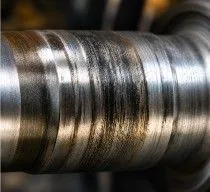
Restore journals, shafts, bearing seats and critical working surfaces.
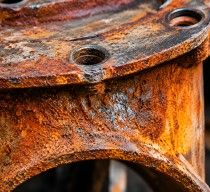
Engineer compatible corrosion-resistant overlays for the service environment.
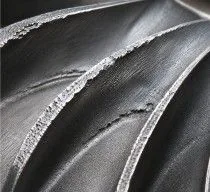
Address surfaces damaged by particle impact, flow and cavitation.
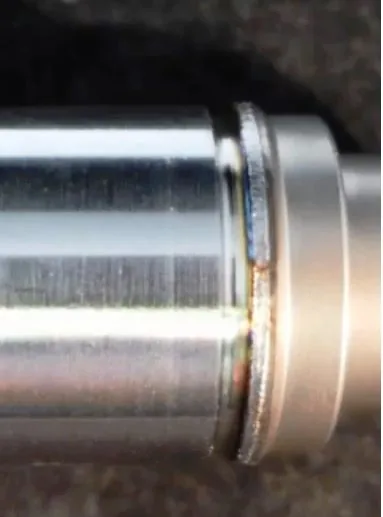
Develop wear-resistant or hardfacing surfaces for demanding duty.
Powder and wire selection is an engineering decision. Typical grades are listed under each family; other grades, including customer-specified alloys, can be qualified on request. The choice is based on the substrate, service conditions and required coating properties.
Diamond Lasertech evaluates a wide range of engineering substrates for laser cladding, hardening and surface restoration. Process feasibility depends on material composition, metallurgical characteristics, component condition and application requirements.
Final alloy selection considers substrate composition, operating conditions, required properties, dilution control and application qualification.
Examine material, damage, geometry, service conditions and dimensional requirements.
Select alloy, optics, deposition strategy and process parameters.
Deposit the overlay with controlled laser energy, powder or wire feed and motion.
Inspect coating integrity, dimensions and relevant application criteria.
Finish or coordinate machining as needed and verify agreed acceptance criteria.
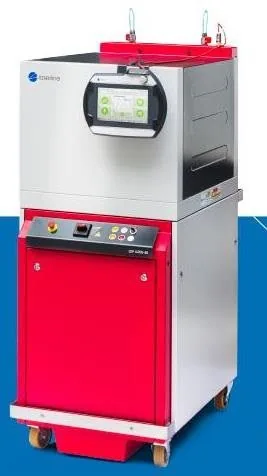
10 kW, 4 kW and 2 kW laser platforms for a range of surface engineering requirements.
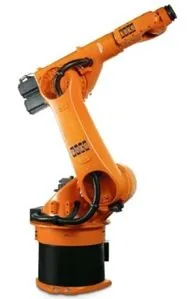
KUKA and FANUC robots, positioners and precision motion systems.
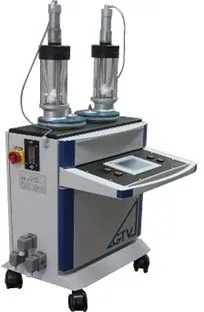
Application-specific processing heads, cladding nozzles and GTV powder feeders.
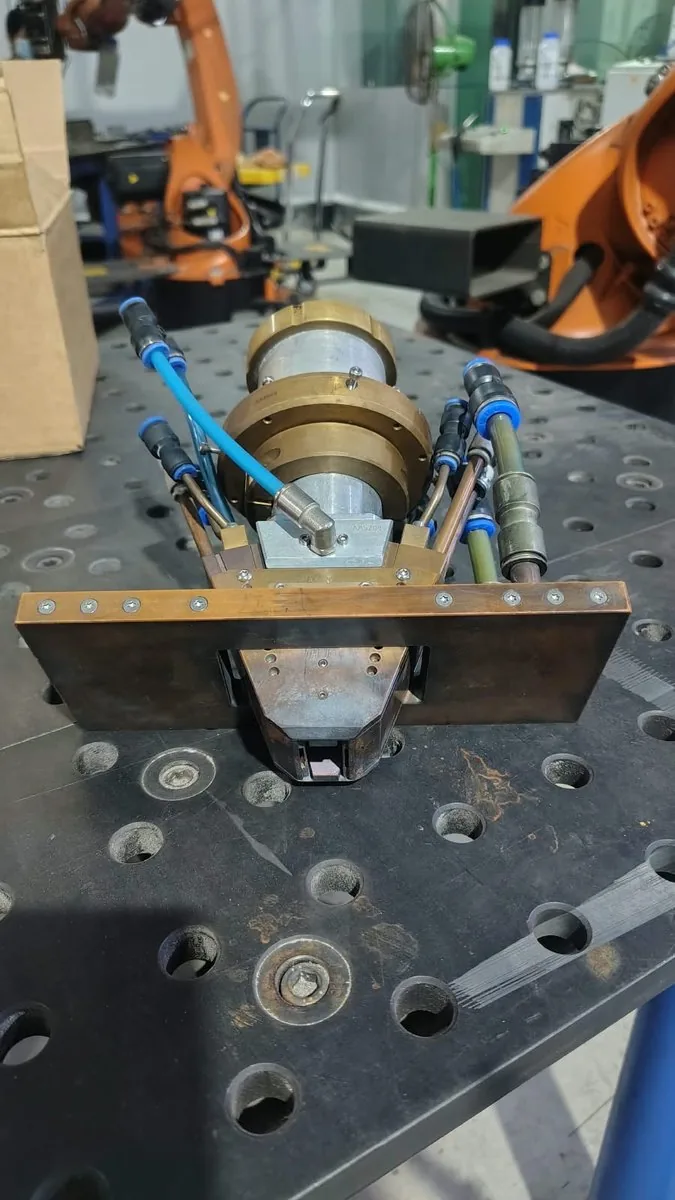
Wide-track cladding head for broad clad tracks per pass on large surfaces.
DLT evaluates substrate compatibility, selects cladding materials and parameters, and defines inspection and acceptance requirements with the customer.
Shafts and bearing journals · Industrial rolls · Valve components · Turbine-related parts · Machine components · Internal-diameter surfaces
Explore Laser ID Cladding →Application-appropriate evaluation may include bond integrity, dilution, porosity, cracking, hardness, dimensional accuracy and coating quality.
ISO 9001:2015 Certified
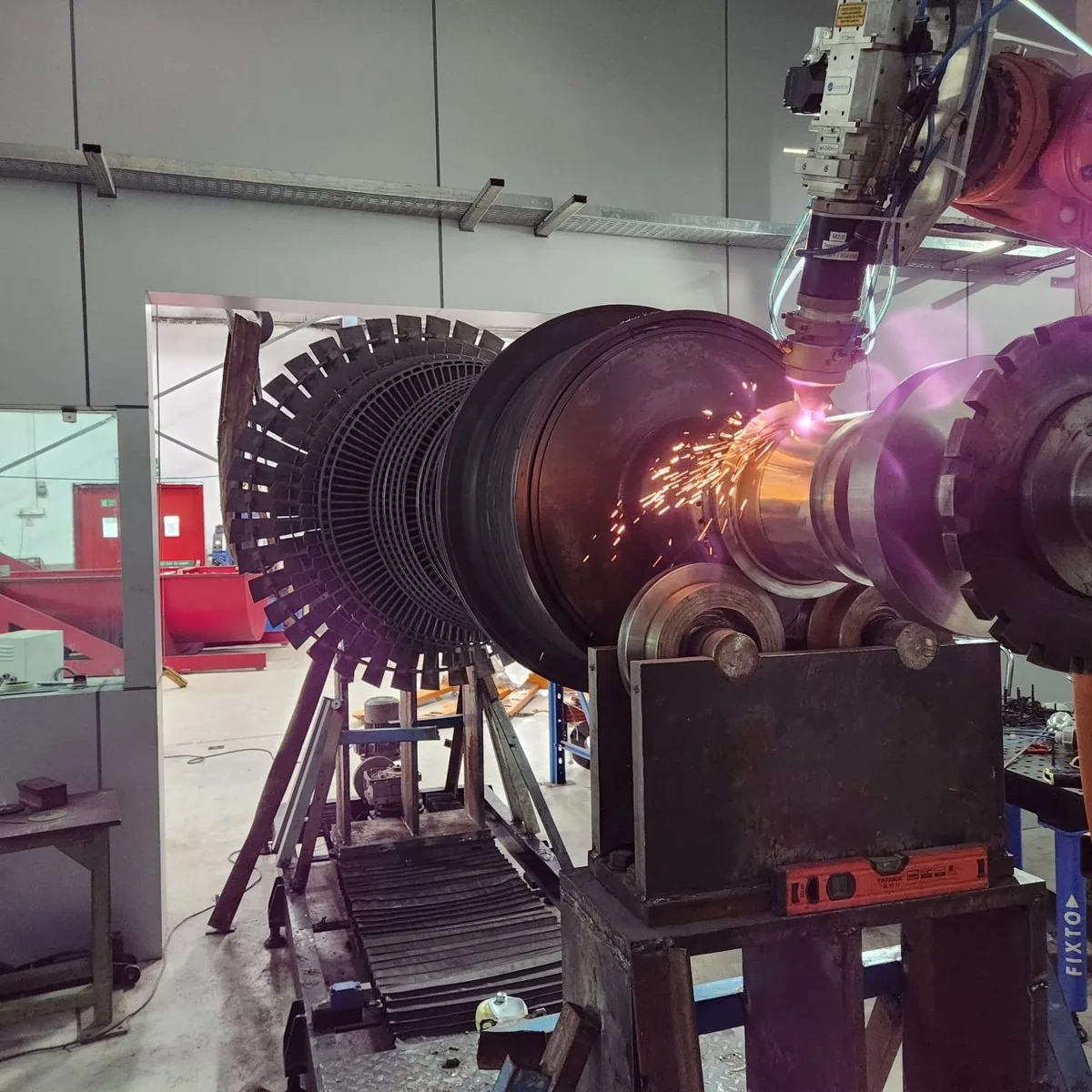
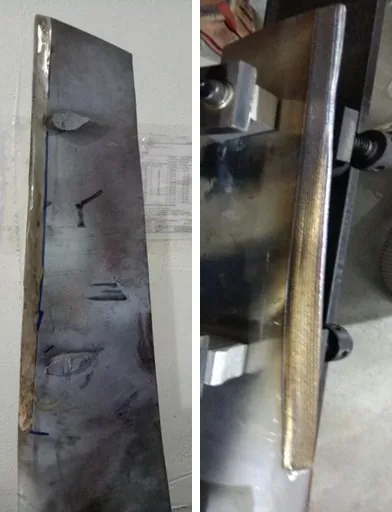
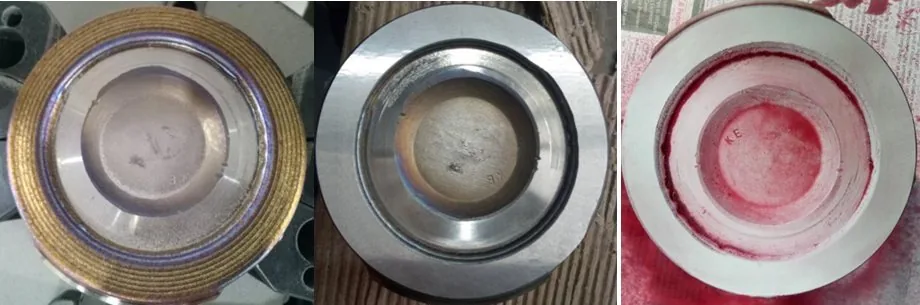
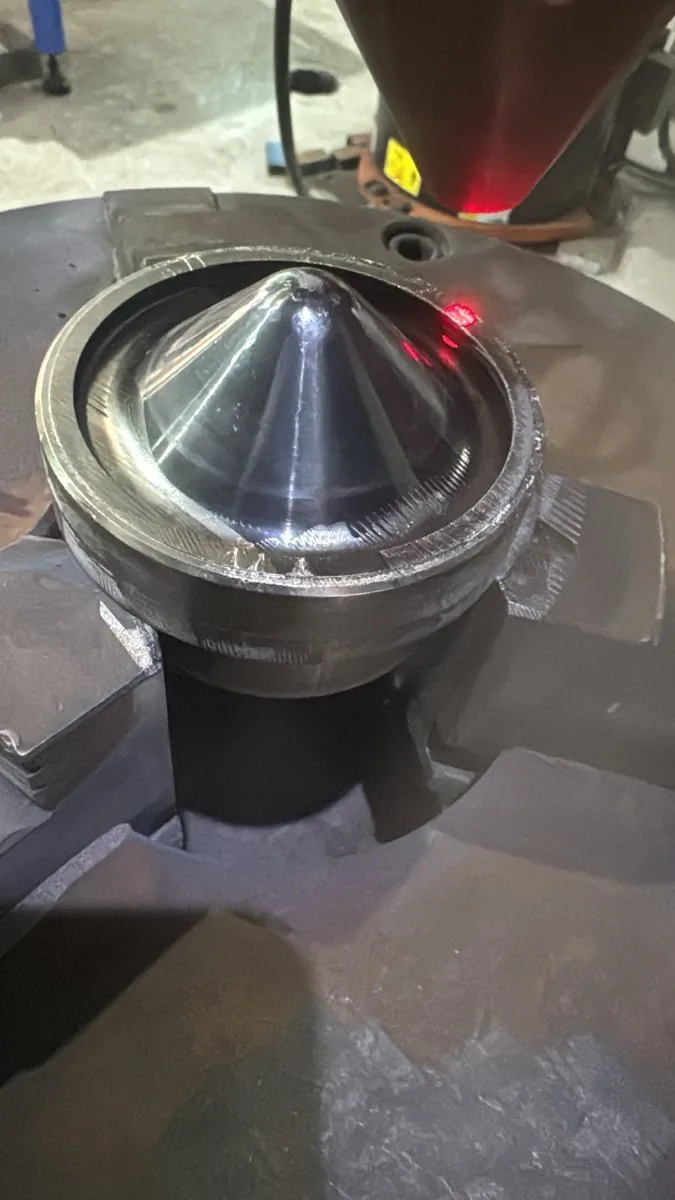
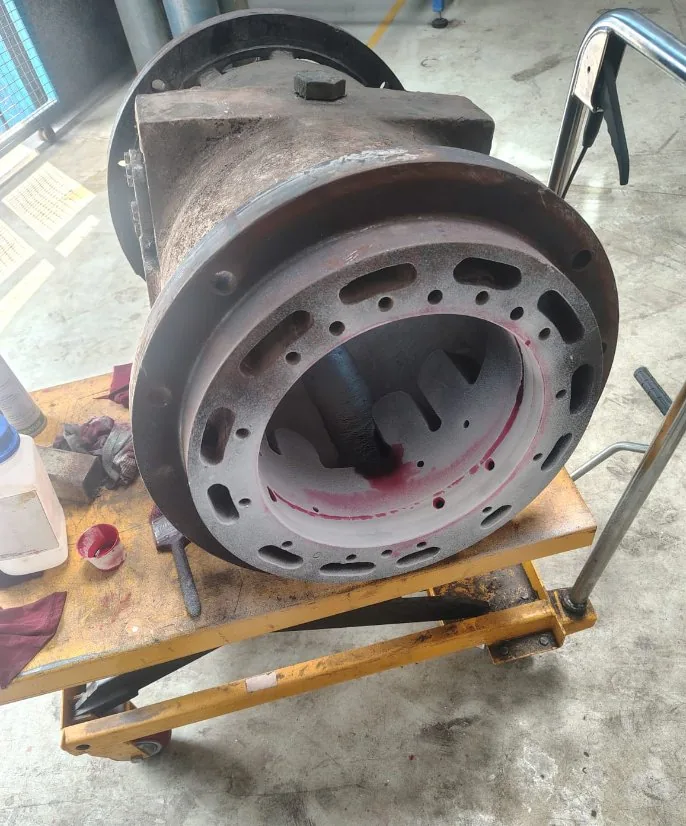
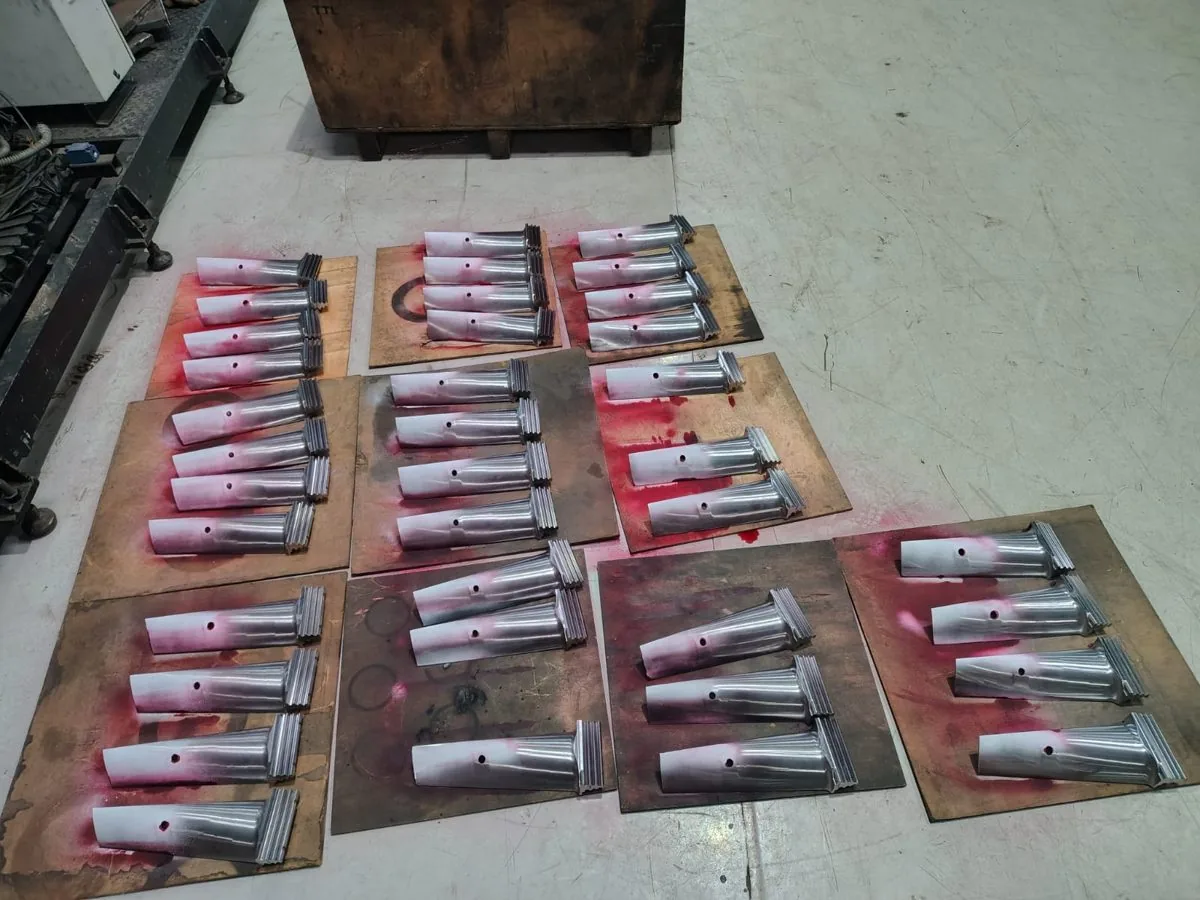
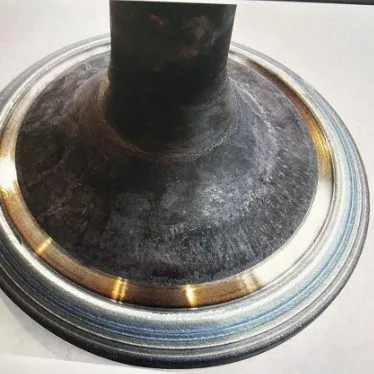
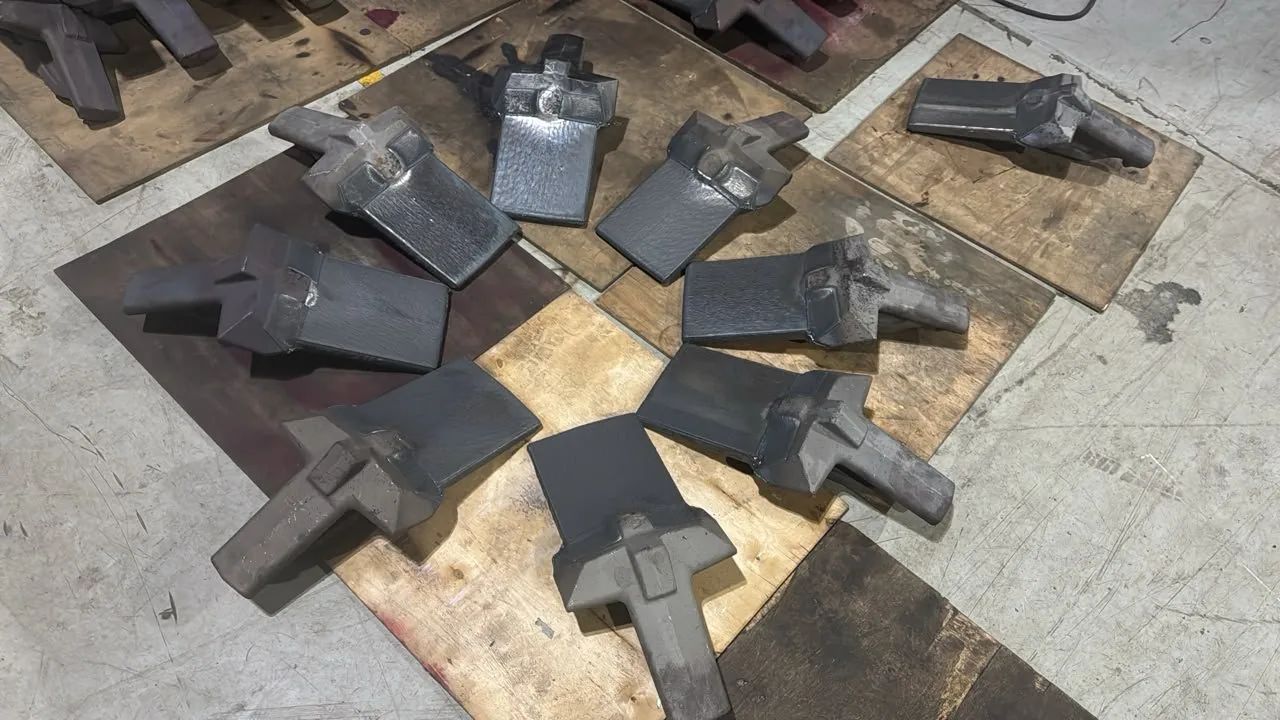
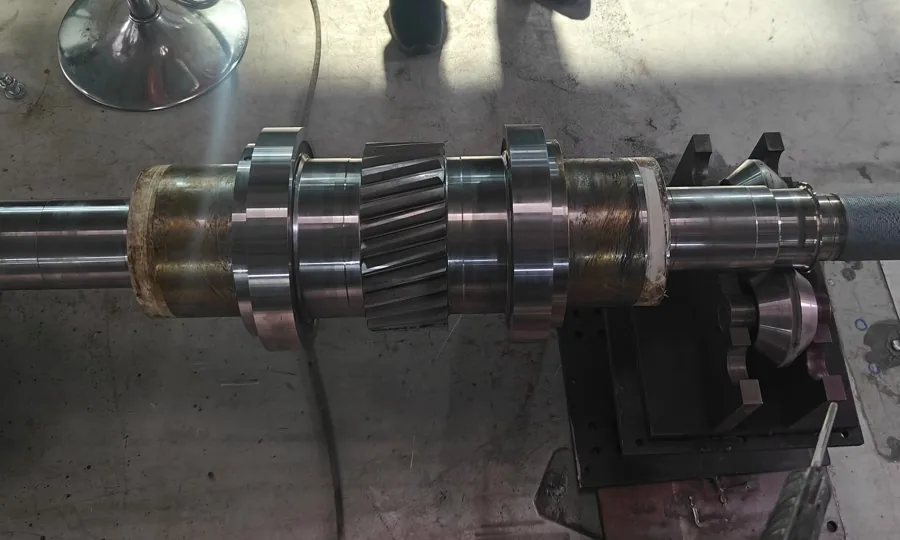
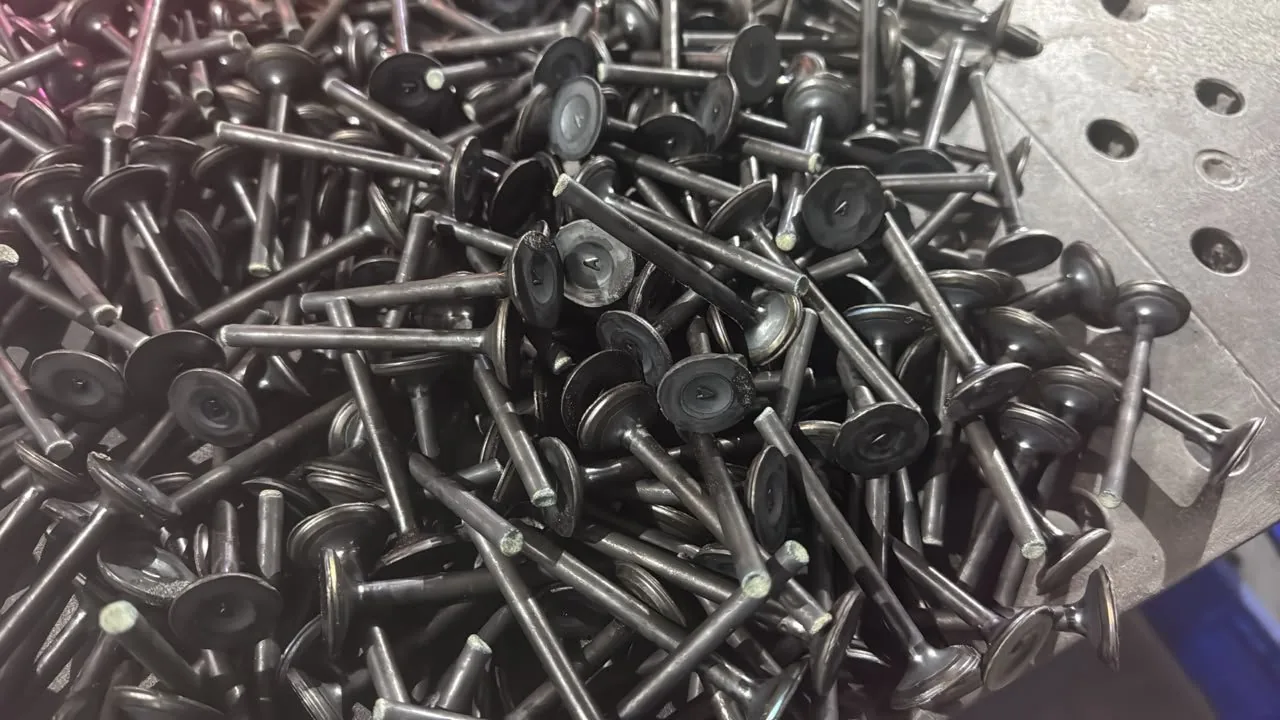
Our Quality & Validation Approach →Photographs and videos of laser cladding carried out by Diamond Lasertech.
Process videos
Laser cladding
Laser cladding
Laser cladding
Cladding of a blade
Shaft cladding
Unedited clips of laser cladding carried out by Diamond Lasertech.
Share your drawing, substrate material, photographs, operating conditions and restoration requirements.
SEND YOUR COMPONENT DETAILS →