Rust and oxide removal
Remove selected corrosion products and oxides on suitable metal surfaces.
Laser-based removal of selected rust, oxides, contaminants and surface layers, with process settings qualified for the underlying material.
Discuss Your Application →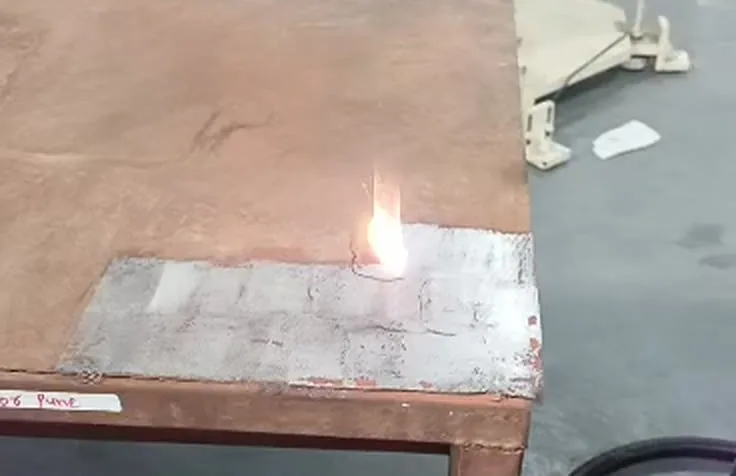
Applications depend on coating chemistry, substrate, geometry, access and required surface finish.
Remove selected corrosion products and oxides on suitable metal surfaces.
Our 3 kW CW laser cleans the surface before welding or laser cladding. It leaves a rough finish and warms the base material, giving the weld or clad layer a sound start.
Our pulsed (MOPA) laser cleans without heat damage or roughening of the surface, so the integrity of the base material is kept for hardening.
Localised cleaning and surface preparation of industrial components, either by our CW laser cleaner or by our pulsed (MOPA) laser cleaner, whichever suits the part.
Two complementary laser cleaning technologies. The right one depends on the contamination, the substrate and how much surface must be preserved.
| CW laser cleaning (3 kW) | MOPA / pulsed laser cleaning (300 W) | |
|---|---|---|
| Approach | Aggressive, high-energy cleaning | Gentler, more selective cleaning |
| Material removal | Can remove some substrate material | Base material is not removed or damaged |
| Typical applications | Heavy rust, scale and stubborn coatings | Light oxides, sensitive surfaces and precision cleaning |
| Main advantage | Faster removal of substantial contamination | Removes only the build-up, with no heat damage to the base material |
| Main consideration | Risk of erosion or surface alteration | Suited to thin layers and fine build-up rather than heavy rust or scale |
The 3 kW continuous-wave (CW) laser takes on the heavy work: thick rust, mill scale, paint and stubborn coatings on large steel parts and structures. It replaces sand blasting and grit blasting with a clean, dry and fast process that can be taken to the component, in situ or at the customer’s site.
No sand, grit or other blasting media, so there is no abrasive dust, no media to clean up afterwards and nothing left lodged in the part.
Large or installed equipment is cleaned where it stands, avoiding dismantling, transport and long shutdowns.
High power removes heavy rust, scale and coatings quickly, so large areas are prepared in less time.
No chemicals, solvents or blasting media to buy or dispose of; the removed contaminant is captured by fume extraction.
The pulsed (MOPA) laser cleans gently and precisely, so it suits sensitive, fragile and thin-gauge materials. Pulsed MOPA laser cleaning allows controlled removal of selected surface deposits while minimising the effect on the underlying material. The process parameters are selected according to the substrate, contamination and required surface finish. Mould and die cleaning is one of the most important uses of laser cleaning: moulds and dies are cleaned in detail, without abrasives, chemicals or wear to the tool surface, so they go back into production clean and give an excellent output. Wherever forming or moulding needs a superior surface finish, MOPA cleaning keeps the tool surface in the condition to deliver it.
Rubber residue and release-agent build-up removed from treads, vents and fine detail, without blasting media or damage to the mould surface.
Carbon, oxide and residue removed from forming surfaces, so the die returns to a clean finish and gives better glass quality.
Plastic residue and deposits cleaned from cavities, ribs and textured surfaces, often with less downtime than conventional cleaning.
Oxides and residues removed from contacts, terminals, connectors and housings without solvents or abrasives.
Laser cleaning is not automatically non-damaging or suitable for every coating.
Evaluate risk of heating, surface alteration and unwanted material removal.
Select appropriate extraction, enclosure and protective measures for removed contaminants.
Confirm cleaning quality, residue levels and suitability for downstream processing.
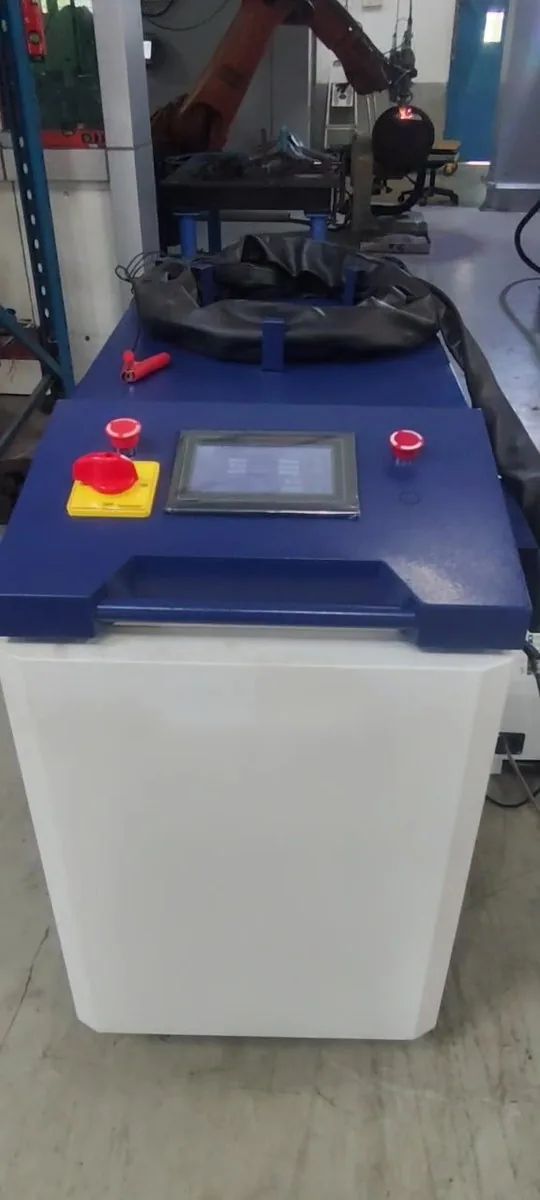
Continuous-wave (CW) laser for welding and for heavy-duty cleaning of rust, scale and coatings.
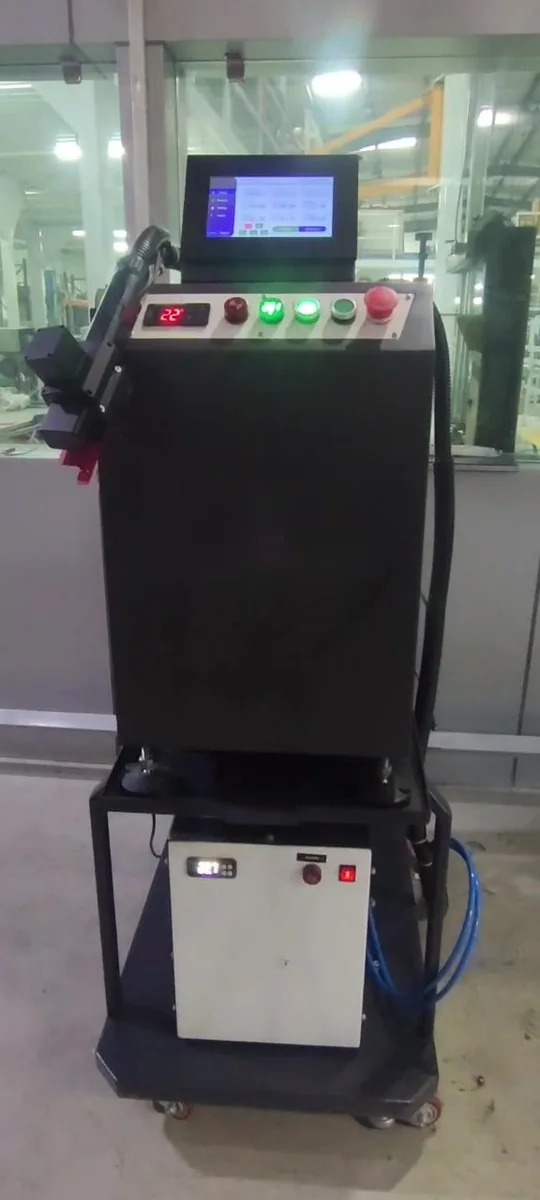
Pulsed (MOPA) laser for selective cleaning of light oxides and sensitive surfaces without damaging the base material.
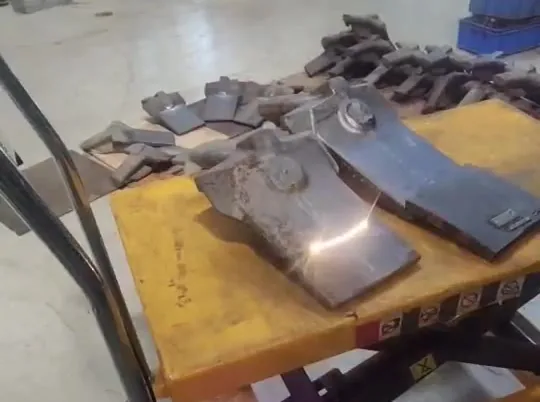
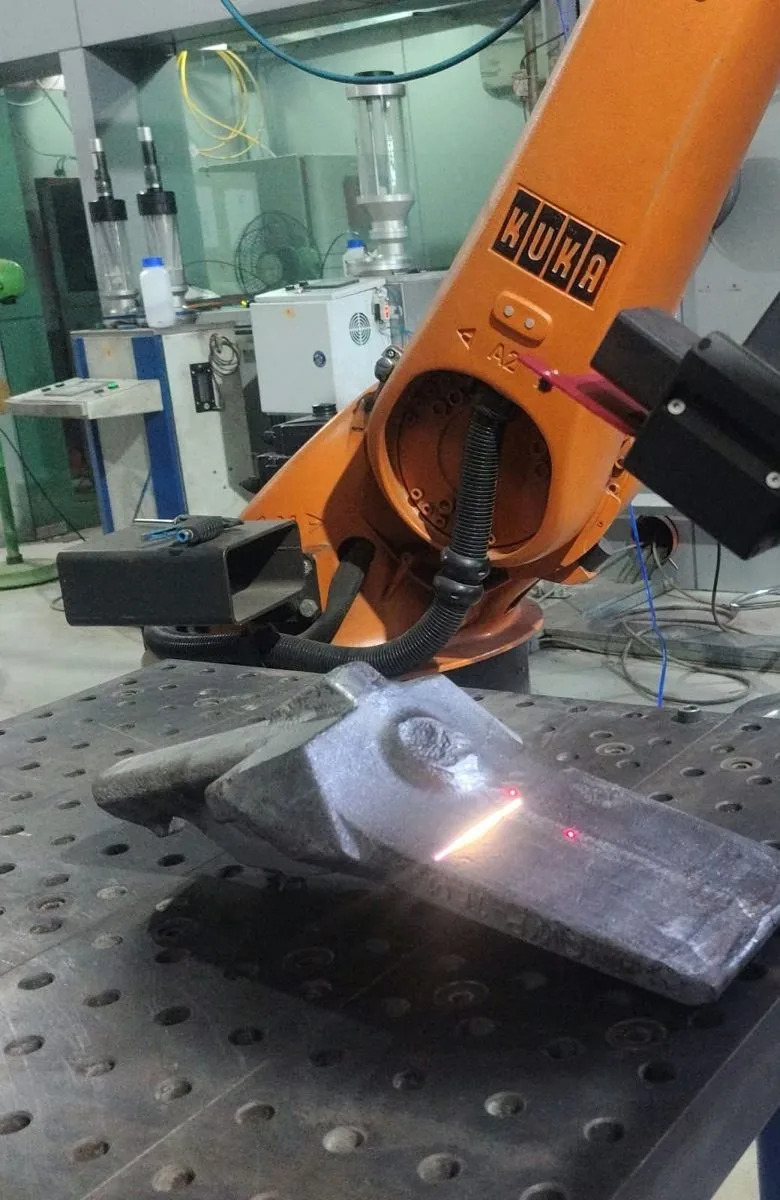
Rust removal on a steel plate using DLT’s 300 W pulsed (MOPA) laser.
Cleaning steel plates with DLT’s 3 kW continuous-wave (CW) laser.
Feasibility and commercial scope will be established for each component and site.
Both of DLT’s cleaning lasers at work on real components.
Share the component material, dimensions, wear mechanism and operating conditions. Our engineering team will review the application.
Send Your Component Details →